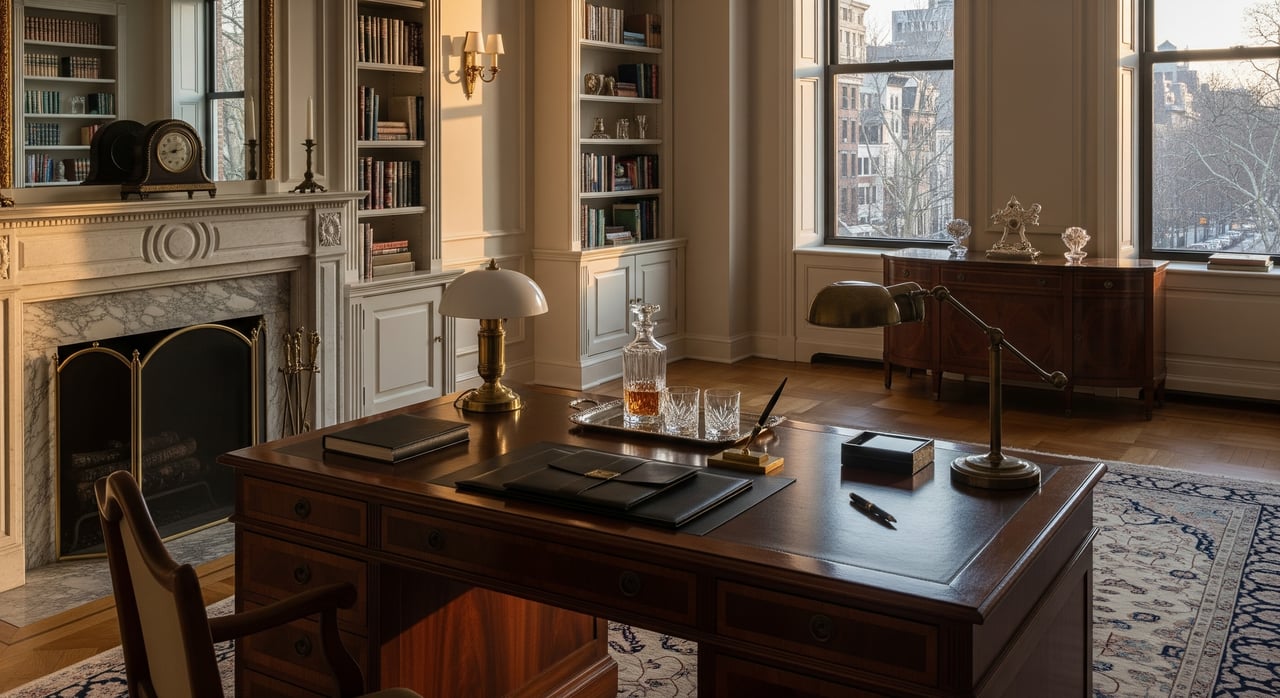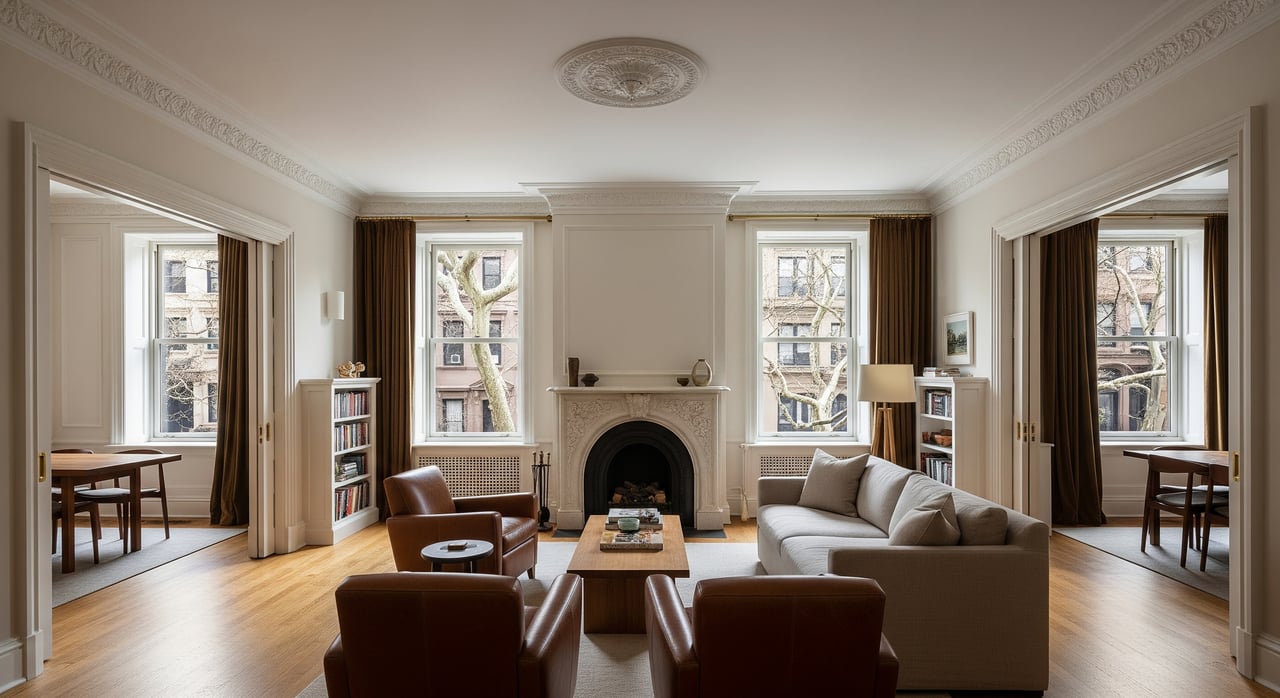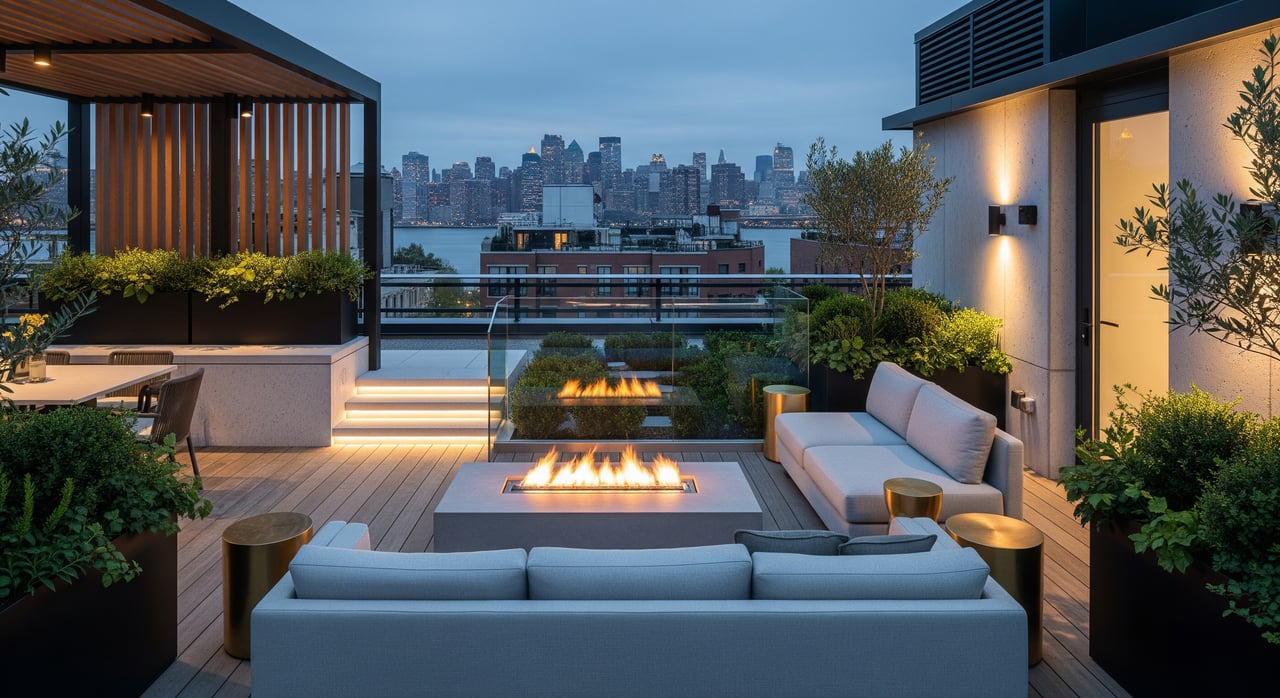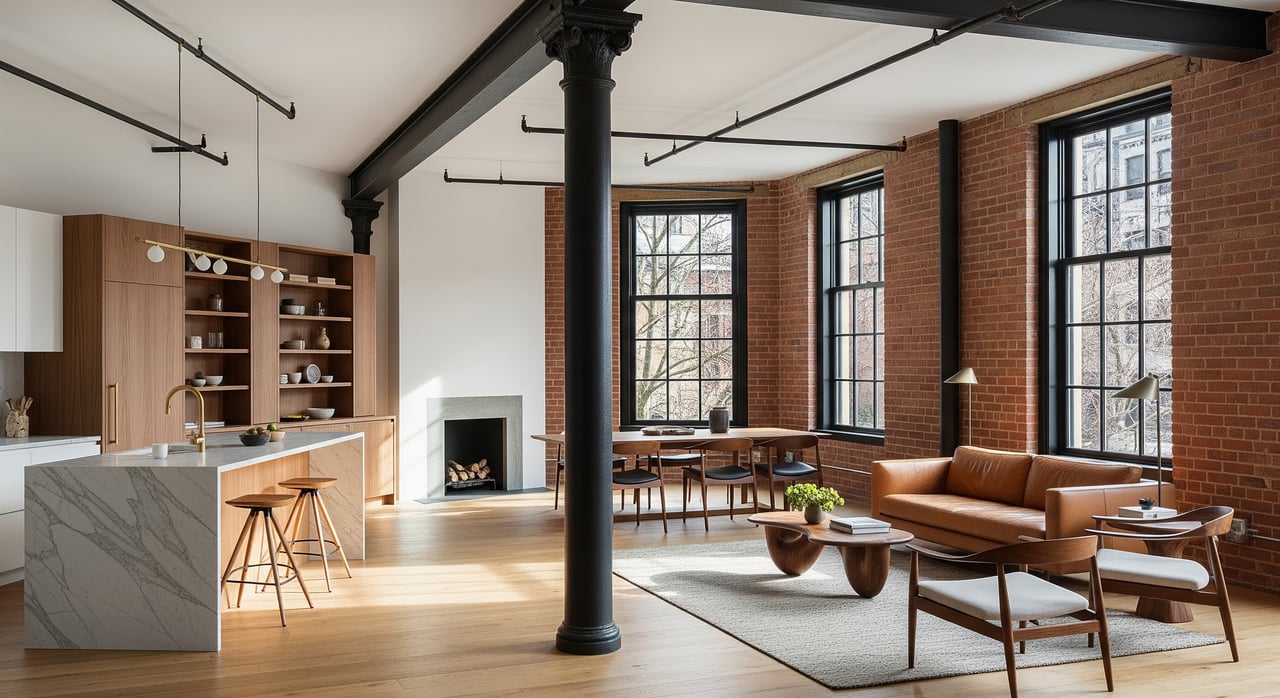
If you love the idea of a NoHo loft but don’t know which style fits your life, you’re not alone. Between cast-iron classics, factory conversions, and boutique new-builds, each option delivers a different mix of character, comfort, and carrying costs. This guide breaks down how the three main loft types perform on the factors you care about most: light, sound, elevator access, and monthly fees. You’ll also get a quick checklist so you can compare buildings with confidence. Let’s dive in.
NoHo loft types at a glance
NoHo’s loft landscape sits at the crossroads of design history and modern living. You’ll find:
- Cast-iron buildings with 19th-century façades and oversized windows, many within historic districts.
- Factory conversions that rework early to mid-20th-century industrial buildings into residences.
- Boutique new-build lofts that deliver modern systems and floor plans inspired by classic loft proportions.
Each typology has strengths and tradeoffs. Unit orientation, floor level, and layout often matter more than the label alone.
Cast-iron lofts in NoHo
What defines cast-iron
These buildings were built in the mid to late 1800s as commercial showrooms or warehouses. Many have landmarked façades and were later converted to residential co-ops or condos. Expect tall ceilings, decorative columns, and large multi-pane windows.
Light performance
Cast-iron façades often allow generous window areas, which can deliver excellent daylight at the front of the home. Interior spaces may be darker in deep or subdivided floor plates. If the building is landmarked, window replacements must typically match historic profiles.
Sound considerations
Original timber joists, older partitions, and legacy windows can transmit both airborne and impact noise. Street noise may be noticeable on lower floors near busy corridors. Many conversions added sound treatments, but performance varies by building and unit.
Elevator access
Some cast-iron buildings remain walk-ups or have smaller, older elevators. Landmark constraints can limit shaft expansion. If convenience is a priority, verify elevator size, reliability, and service history.
Monthly costs
Common charges in cast-iron co-ops or condos are often moderate if amenities are modest. Long-term capital needs can rise due to façade and roof work, especially in landmarked properties. In co-ops, maintenance may include a share of property taxes.
What to check
- Visit at different times of day to assess light and street noise.
- Ask about window upgrades, soundproofing layers, and past LPC approvals.
- Confirm elevator dimensions and recent maintenance filings.
- Review the building’s reserve study and capital improvement plan.
Factory conversion lofts
What defines a factory conversion
These homes originate from early to mid-20th-century industrial buildings. Many retain concrete or steel structures, open spans, and industrial-scale windows. Conversions range from minimalist lofts to fully serviced residences. Legal status can stem from formal conversions or Loft Law pathways.
Light performance
Perimeter rooms often enjoy excellent natural light through large industrial windows and high ceilings. Deep floor plates can create interior zones with limited daylight unless the conversion added light wells or designed double exposures.
Sound considerations
Hard surfaces and wide spans can create reverberation. Sound transfer between units depends on how the conversion upgraded floor and wall assemblies. Newer or higher-budget conversions often deliver better acoustic separation.
Elevator access
Many buildings had freight elevators that were repurposed or supplemented with passenger elevators. These can be generous for moves and furniture. Elevator quality and scheduling may vary if there are shared service areas.
Monthly costs
Monthly charges vary widely with amenity levels and building scale. Well-executed conversions with updated mechanicals tend to have moderate to high fees, reflecting elevators, centralized systems, and reserves.
What to check
- Confirm legal residential status and Certificate of Occupancy.
- Ask about acoustic upgrades during conversion and any post-conversion improvements.
- Verify elevator size, service contracts, and service hours.
- Review HOA budgets for systems maintenance and reserves.
Boutique new-build lofts
What defines a boutique new-build
These are smaller-scale new developments designed to capture loft style with high ceilings, large glazing, and open plans. They are usually condominiums with modern life-safety systems and up-to-date code compliance.
Light performance
Developers can optimize window placement, floor-to-ceiling glass, and light wells to even out daylight. Some plans push depth to maximize interior square footage, which can shift certain rooms to borrowed light.
Sound considerations
New construction must meet current code standards for sound and insulation, so you often get stronger airborne and impact noise control. Mechanical rooms, gyms, or roof equipment can still produce localized noise, so unit placement matters.
Elevator access
Expect modern elevators with reliable service. Some buildings offer private keyed elevators. Accessibility and convenience are usually strong points.
Monthly costs
Common charges are often higher due to amenities, staffing, and robust reserves. Some projects include time-limited tax abatements that reduce carrying costs in the near term. New mechanicals typically lower immediate repair risk.
What to check
- Identify any abatements and their expiration dates.
- Ask about amenity operations, hours, and potential noise sources.
- Confirm elevator specs and whether it opens directly into the home.
- Review budgets for staffing, reserves, and long-term maintenance.
Quick comparison: NoHo loft types
| Attribute | Cast-iron | Factory conversion | Boutique new-build |
|---|---|---|---|
| Era and character | 19th-century commercial, ornate façades | Early to mid-20th-century industrial | 21st-century, loft-inspired design |
| Ceiling height | High, often 10–14 ft | Very high, often 12–18+ ft | Designed high, about 9–12 ft |
| Windows and daylight | Large multi-pane windows, depth varies | Large industrial windows, deep cores can dim | Floor-to-ceiling glazing and planned daylight |
| Sound isolation | Variable, often weaker unless upgraded | Variable, improved in quality conversions | Generally stronger to code standards |
| Elevator access | Limited or small, walk-ups exist | Repurposed freight or added passenger | Modern, often private or keyed |
| Amenities | Minimal to modest | Limited to moderate | Moderate to extensive |
| Monthly costs | Moderate, with potential capital spikes | Moderate to high by systems and scale | Higher, offset by newer systems |
| Constraints | Landmark rules often apply | Conversion code and Loft Law issues | Fewer exterior constraints |
How to choose your best fit
Start with your non-negotiables, then prioritize the typology that aligns with them:
- If you love historic character and extra-tall windows, consider cast-iron. Budget for potential façade or window work over time.
- If you want volume and flexible open spans, consider a factory conversion. Focus on acoustic quality and daylight toward the core.
- If quiet comfort and convenience come first, consider boutique new-builds. Expect higher monthly fees that support amenities and reserves.
Unit-level factors often outweigh typology. A high-floor, south-facing cast-iron loft can feel brighter than a deep-plan new build. A recent factory conversion with upgraded assemblies can be quieter than a lightly renovated cast-iron.
Buyer due diligence checklist
Use this checklist to compare buildings and specific units:
Documentation
- Offering plan or proprietary lease and building financials
- Recent HOA or co-op minutes and the latest budget or reserve study
- Certificate of Occupancy and any open permits or violations
- For conversions, evidence of legal residential status
- Landmark status confirmation if the façade appears historic
Site visits and tests
- Visit at different times to judge sunlight and street noise
- Listen for neighbor noise and mechanical hum near gyms, roofs, or shafts
- Measure elevator cab dimensions and confirm service schedules
- Check window condition and any glazing upgrades
- Review heating and HVAC type, age, and service history
Financial focus
- What is included in monthly charges: taxes, heat, hot water, gas, electricity, staffing
- Reserves, recent capital projects, and planned assessments
- Any abatements, their terms, and expiration dates
Expert help
- Real estate attorney for document review and closing strategy
- Architect or engineer for structural and feasibility questions
- Acoustical consultant if noise control is a top priority
Renovation and mitigation options
Even the best lofts benefit from targeted improvements. Feasibility varies by typology and building rules.
Cast-iron
- Window retrofits and weatherstripping where permitted by landmarks
- Floor underlayments and resilient channels to cut impact sound
- Efficient HVAC or VRF splits to modernize comfort
- Ongoing façade maintenance planning
Factory conversions
- Acoustic panels and added insulation to soften reverberation
- Partition rework to improve light paths and create double exposures
- Duct and mechanical upgrades for quieter operation
Boutique new-builds
- Custom acoustic treatments around bedrooms or mechanical closets
- Smart-home integration and layered window treatments
- Interior finish upgrades within condo rules
For light-challenged interiors, consider interior glazing, reflective finishes, and strategic lighting design. For noise, prioritize glazing upgrades, decoupled ceilings, and soft furnishings to absorb sound.
Your next step in NoHo
Choosing the right NoHo loft is about aligning your lifestyle with the realities of each building type. Weigh light, sound, elevator access, and carrying costs side by side. Then verify what matters most with on-site visits and a close look at building documents. If you want seasoned guidance and access to curated opportunities, connect with a team that lives this market every day. Schedule a private consultation with The Anderson Ehrmann Team.
FAQs
Are cast-iron NoHo lofts always landmarked?
- Not always, but many sit within historic districts where façade and window changes require approvals; confirm status for the specific address.
Will a boutique new-build loft be quieter than older types?
- Generally yes due to current code standards, but unit orientation, floor level, and proximity to nightlife or mechanical rooms still matter.
Do factory conversion lofts have legal residential status?
- Many do through formal conversions or Loft Law pathways; always confirm the Certificate of Occupancy and legalization records.
Which loft type usually has higher monthly fees?
- Boutique new-builds typically carry higher common charges for amenities and reserves, while older buildings can face irregular capital costs.
What should I verify about elevators before buying?
- Check elevator size, service reliability, maintenance records, and whether access is private or shared, especially in conversions.