Thinking about a boutique condo in the Meatpacking District but unsure which amenities truly matter? In smaller luxury buildings, the right features can elevate your daily life, protect your privacy, and support resale value. The wrong ones can inflate monthly charges without delivering much benefit. In this guide, you’ll learn which amenities move the needle in Meatpacking, how the High Line factors into lifestyle and value, and a smart checklist to compare buildings confidently. Let’s dive in.
Why Meatpacking boutique living is different
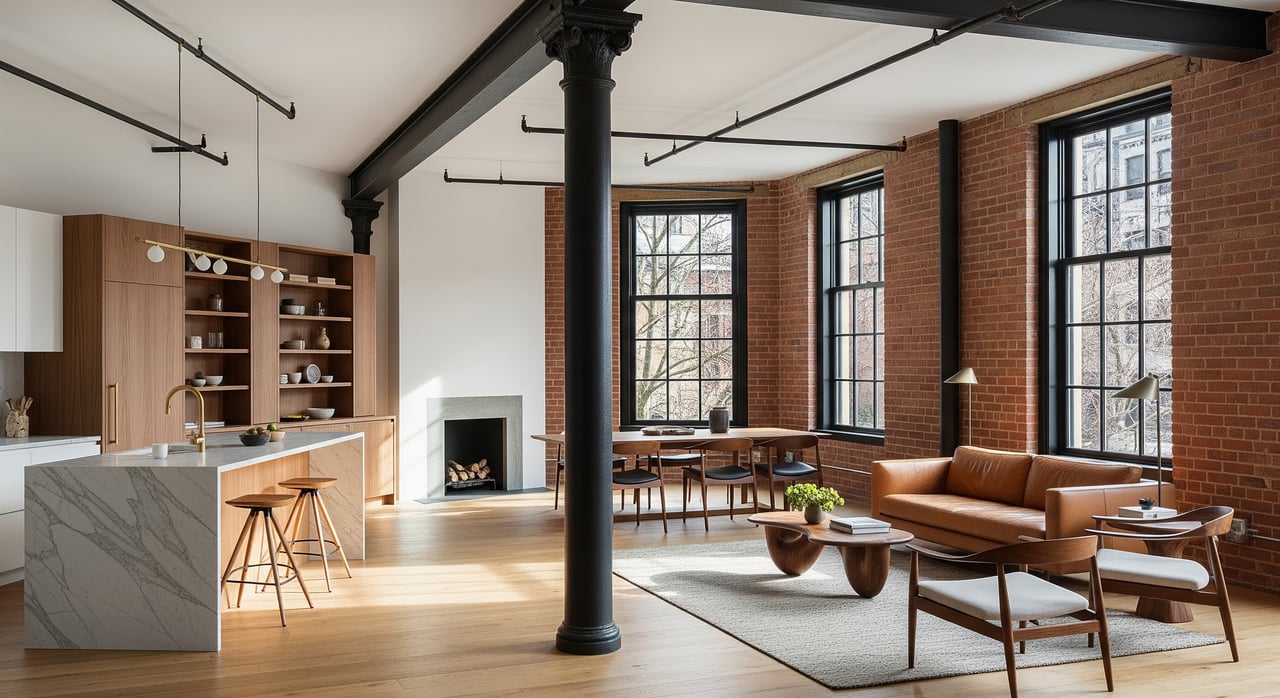
Meatpacking is compact, walkable, and packed with destination dining and retail. Many buildings are low- to mid-rise and either converted from industrial use or newly built infill. Local landmarking in and around the Gansevoort Market Historic District shapes design choices and renovations; you can explore context on the NYC Landmarks Preservation Commission site.
The neighborhood’s eastern edge is defined by the High Line, an elevated park that brings art, plantings, and a unique north-south pedestrian route. Programming and context from Friends of the High Line help explain why this green corridor has influenced demand and development nearby.
Most boutique Meatpacking condos have under 100 units, with 1 to 3 bedrooms and upscale finishes. Amenity and staffing models vary widely. Since costs are shared across fewer owners, even a single full-time doorman can noticeably raise common charges. You can review broader planning context via the NYC Department of City Planning.
Amenities that matter most
Doorman coverage
A doorman manages guest access, deliveries, and overall building control. In smaller buildings, full-time coverage signals service and security, and often appeals to out-of-town buyers or frequent travelers. The trade-off is cost. Full-time staffing can materially increase monthly common charges when split among fewer units.
Part-time coverage or a virtual concierge reduces operating costs but may lower perceived service. Think about how often you travel, receive deliveries, or host guests. If you value a seamless front-of-house experience, a staffed desk may be worth the premium.
Rooftops and terraces
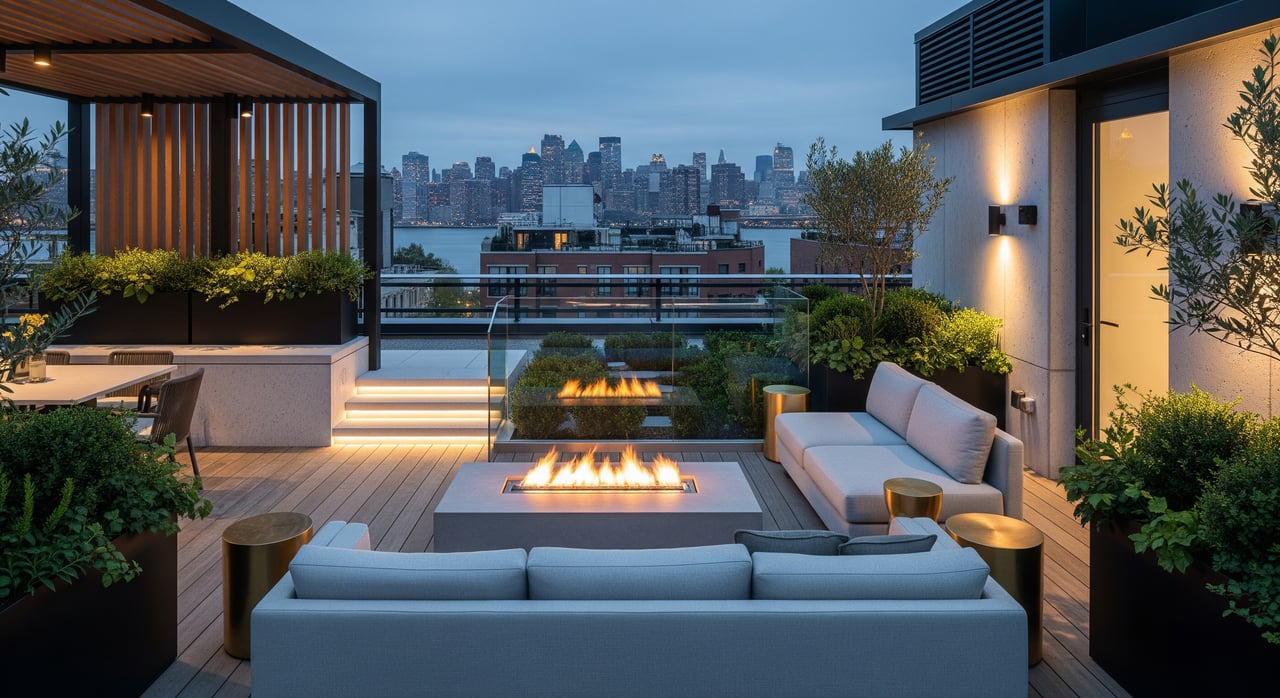
Outdoor access is scarce in Manhattan, which makes shared rooftops and private terraces high-impact amenities. In Meatpacking, rooftops extend your living space for morning coffee, casual dinners, or small gatherings with views. Private terraces often carry a resale advantage, while shared rooftops provide broad lifestyle benefits without the upkeep.
Ask about usability. Look for comfortable furniture, wind protection, irrigation for plantings, and power and water access. Clarify whether the space is deeded to the unit, exclusive use, or shared, and check any event or noise rules.
Fitness and wellness
Small buildings usually offer compact gyms or multi-use rooms rather than full spa programs. That can be a plus if equipment is current, ventilation is strong, and access is convenient. Some boutique properties coordinate with nearby studios to deliver wellness benefits without the space and cost of a large in-house facility.
When touring, note cleanliness, equipment mix, any sign-up or guest policies, and whether retail tenants share the space. If you are a dedicated practitioner already using nearby studios, an in-house gym might be a nice-to-have rather than a must.
Package rooms and delivery security
With high e-commerce volume, a dedicated package room or locker system is a quality-of-life essential. In buildings without it, boxes often pile up in lobbies or storage closets, which can create clutter and security concerns. Ask how oversized items are handled, whether there are refrigerated options for perishables, and who logs and secures deliveries.
For frequent travelers, pairing a robust package room with staffed coverage can be more valuable than a larger but underused amenity like a golf simulator.
Parking and car access
On-site parking is rare and expensive in Meatpacking boutique condos. Many residents rely on transit and rideshare, then use nearby commercial garages or car-share services as needed. If you plan to keep a car, verify whether spaces are deeded, leased, or not offered at all, and confirm fees and transfer rules.
To gauge local options and pricing, browse nearby garages through services like SpotHero or ParkWhiz. If your building offers valet or a third-party lease, ask about renewal terms, waitlists, and EV charging.
Privacy and security features
Privacy-focused details can set boutique properties apart. Useful features include keyed or fobbed elevators with controlled floor access, private or semi-private landings, and video intercoms with visitor pre-registration. Tech-enabled solutions deliver strong value relative to cost in smaller buildings.
Review access-control policies, camera placement in common areas, and how visitor entry is managed after hours. If privacy is paramount, prioritize buildings with limited elevator stops per landing and strong in-unit soundproofing.
Storage, bikes, pets, and in-unit basics
Because footprints are compact, storage matters. Look for deeded storage or well-managed basement cages, plus secure bike rooms with e-bike charging. Pet-friendly policies and features like a dog-wash station add daily convenience for many owners.
Inside the apartment, washer-dryer hookups, central HVAC, and quality finishes have an outsized impact on daily life and resale appeal. These are often more important than niche amenities with high operating costs.
How the High Line shapes lifestyle and value
Living near the High Line brings easy access to one of the city’s most distinctive parks, with walking paths, seasonal plantings, and public art. That access can enhance daily routine and expand your options for low-key entertaining. Materials from Friends of the High Line capture how the park has driven neighborhood energy and activity.
Proximity also increases local foot traffic. Units with direct park views or immediate access to entrances often draw strong interest, while homes on blocks with heavier nightlife may trade off crowd and noise exposure. In boutique buildings, view orientation and terrace positioning can be difference-makers. The premium is block and buyer specific, so evaluate orientation and noise at multiple times of day.
Operating costs and resale realities
In small buildings, fixed costs like staff, cleaning, elevator servicing, and equipment maintenance are shared across fewer owners. Full-time front-desk coverage, even by a single person, can be a meaningful line item in common charges. By contrast, smart tech for access control or package lockers may deliver strong value at lower cost.
Assess the building’s budget, reserve fund, and any planned projects such as roof, facade, or elevator work. Smaller associations can rely on special assessments to fund capital upgrades. Reviewing financials, minutes, and recent capital expenditures will help you anticipate future costs. For broader market context, you can review trends in the Douglas Elliman market reports.
On the exit side, the amenity mix influences your buyer pool. Full-service doorman buildings tend to appeal to remote owners and investors. Private terraces and privacy features draw buyers seeking a pied-a-terre. Keep an eye on common charges and taxes, and confirm subletting and short-term rental rules, which can affect flexibility. City tax and property information live with the NYC Department of Finance.
Buyer due diligence checklist
- Building size and staffing
- Confirm doorman hours, weekend and holiday coverage, emergency procedures, and virtual concierge systems.
- Amenity ownership and rules
- Is the rooftop, gym, storage, or parking deeded, exclusive use, or shared common? Review event and guest policies.
- Package handling
- Ask how deliveries are logged, stored, and secured, including oversized and perishable items.
- Fitness and wellness
- Inspect equipment age, ventilation, cleaning protocols, and whether any third parties share the space.
- Outdoor space
- Clarify terrace or roof usability, maintenance obligations, and any noise or event restrictions.
- Financials and reserves
- Review the budget, audited financials, reserve fund, and any planned capital work or assessments.
- Common charges and taxes
- Understand the drivers of monthly costs and any recent or upcoming changes; verify taxes with the NYC Department of Finance.
- Rules and restrictions
- Confirm policies on subletting, short-term rentals, pets, and renovations.
- Sales comps and orientation
- Compare units with similar amenity sets and exposures, including High Line views versus quieter orientations.
- Neighborhood conditions
- Visit at different times to gauge nightlife, delivery logistics, and foot traffic near park entrances.
Quick scenarios: match amenities to your life
- Frequent traveler
- Prioritize doorman or reliable virtual concierge, secure package room or lockers, and tech-enabled access control. Rooftop access becomes a decompress-at-home perk.
- At-home entertainer
- Seek a well-furnished shared roof or a private terrace with utility access. Ensure guest entry is seamless and check event rules and quiet hours.
- Car owner or weekender
- Fitness-first
- A well-maintained in-building gym is useful, but quality matters more than size. Proximity to local studios can fill gaps at a lower building cost.
Next steps
If you are weighing two or three boutique buildings in Meatpacking, align the amenity package with your daily routine, travel habits, and exit strategy. Focus on secure delivery, outdoor access, privacy, and operating-cost drivers. Then confirm the building’s financial health and any planned work before you commit.
For tailored guidance, neighborhood nuance, and access to curated opportunities, connect with The Anderson Ehrmann Team. Schedule a private consultation with our senior partners.
FAQs
Are full-time doormen worth higher charges in Meatpacking boutique condos?
- It depends on your lifestyle; full-time coverage raises common charges but delivers in-person security, guest reception, and wider buyer appeal at resale.
How do shared rooftops compare to private terraces in Meatpacking condos?
- Shared rooftops offer broad lifestyle benefits with less upkeep, while private terraces often command a resale premium for buyers who prioritize exclusive outdoor space.
What should I know about parking near Meatpacking boutique condos?
- On-site parking is rare and costly; most owners use nearby garages or car-share services, so verify availability, fees, and transfer rules before buying.
Does living near the High Line affect resale value in Meatpacking?
- Proximity and views can be positive, but the impact is block specific; entrances and nightlife increase foot traffic and noise that some buyers may discount.
Which amenities most affect monthly costs in small luxury buildings?
- Staffed front desks are major drivers; elevators, cleaning, fitness equipment upkeep, and insurance also add up, especially when shared across fewer units.
What due diligence should buyers do on boutique condo amenities and rules?
- Review financials and reserves, confirm ownership and rules for rooftops, gyms, and storage, and verify policies on subletting, pets, renovations, and deliveries.